
Conkers looks effortless from a distance: two people, two horse chestnuts, one piece of string. Then you watch a proper match and notice there is more going on than a lucky swing. Players check their laces, stand a set distance apart, and hand a conker over for inspection without complaint. If you have wondered how a playground pastime became a fixture at village fetes, pub leagues and the World Conker Championships held in Northamptonshire each October, this is the place to start.
What Makes It a Competitive Match
Casual conkers has no rules until somebody starts losing. Organised play is different: the format is agreed before anyone swings, a referee or steward settles disputes, and conkers are usually examined or supplied so nobody turns up with a chestnut baked to the hardness of a pebble.
Most competitions are one-on-one knockout rounds. Some are timed, some run to a fixed number of strikes, and some are scored on hits rather than breakages. The differences matter, because a defensive player who never breaks a conker can still win a points match. Ask which format you are playing before the first turn.
The Kit: Conker, Lace and a Few Small Tools
You need very little, but the small details separate a frustrating afternoon from a good one.
Choosing a Conker
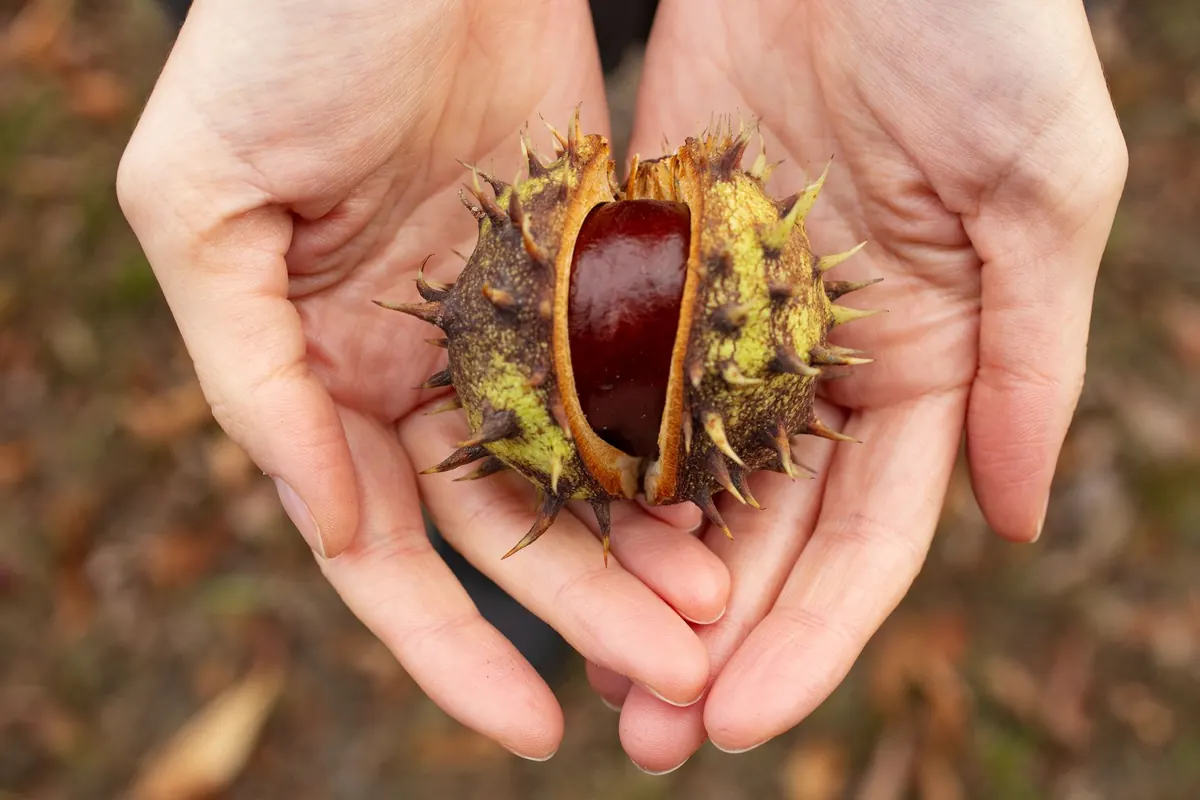
Aim for a firm, glossy brown nut with no cracks, soft patches or hairline splits. One that has fallen naturally is better than one pulled green from the tree, since unripe conkers shrink and split as they dry. Bigger is not automatically stronger; a dense, medium-sized conker with an even shell usually outlasts a heavy one with a weak spot near the eye. Horse chestnuts are not edible, so keep them clear of pets and small children, and speak to a vet or medical professional if one is swallowed.
- Lace: a round shoelace around 60 to 70 cm long, or a conker cord. Thin waxed laces can cut into the shell, while frayed or stretchy laces make your swing inconsistent.
- Drill and bit: a 4 mm bit, or a sharp skewer and patience. Drill slowly through the centre, avoiding the pale eye if you can, and keep your fingers out of the path of the bit. Eye protection is sensible.
- Knot: a firm knot under the conker, large enough that it cannot pull back through the hole. Trim the loose end short so it does not catch.
- Spares: two or three extra conkers and a second lace. More matches are lost to a snapped lace than to a superior opponent.
- Cloth bag: keeps conkers dry and stops them rolling under the nearest car.
- Hardening products: anything painted, soaked or varnished onto the shell is banned at many events. Check the rules before you bother.
Match Conduct and Etiquette
Conkers is a contact sport played at arm's length, so the unwritten rules carry a lot of weight. Agree the string length, who strikes first, and whether the target must hang still before the first swing. Then hold to it.
- Stand still when it is not your turn. The defender's job is to dangle the conker, not to dodge. Jerking the lace out of the way is the conker equivalent of moving the goalposts.
- Aim at the conker, not the hand. A swing that lands on knuckles ends the game and the goodwill.
- One clean strike, then swap. If you miss, the turn passes. No follow-up swipes.
- Call your own breakages. If your shell splits, say so rather than swinging on with half a conker and a hope.
- Do not swap conkers mid-match. You started with that one; you finish with it.
- Shake hands, and say "good conker" whether you won or lost.
- No shouting from the sideline while someone is mid-swing. Advice between turns is fine. A yell during the swing is not.
How Scoring Works
There is no single worldwide system, which is why a steward's briefing at the start matters so much. The three formats below cover most competitions you will meet.
- Knockout: break your opponent's conker and you win the round. Played as best of one, three or five conkers, with the winner advancing. Simple, quick and the most common village-fete format.
- Points per hit: each match runs for a set number of throws or a set time, and every clean strike that lands on the opposing conker scores. Highest score wins, and a broken conker usually ends the match early. This suits large fields where you want rounds to run to schedule.
- Conker tallies: the old playground ranking. A fresh conker is a none-er. Destroy one and it becomes a one-er, then a two-er, and so on. Many players inherit the defeated conker's score plus one, so a one-er beating a three-er becomes a four-er. Others just add one per win. Agree which version you are playing before the first strike.
Decide in advance what happens if both conkers break on the same strike. Most stewards either call a replay or award the round to the striker. Either is fine as long as everyone knows the answer before it happens.
Technique Notes That Win Rounds
Keep the lace taut and let the conker hang roughly 20 cm from your hand. A slack string absorbs the energy you spent swinging it. Swing from the wrist with a short, controlled arc rather than a long, hopeful haymaker, and land the edge of your conker near the middle of your opponent's shell. Glancing blows waste turns.
When defending, hold your lace at a consistent height and keep your arm relaxed. Practise against a conker or a tennis ball hung from a branch; ten minutes of deliberate practice beats a lucky chestnut. Bring three or four conkers to a session and save your best for the later rounds.
Getting Started
Conker season runs from late September into October, which is also when most competitions appear on village hall noticeboards, pub calendars and country show programmes. Turn up early, watch a round before you enter, and ask the steward about house rules on string length and conker preparation. Take your own lace and a few spares in case the event does not supply them.
Enter the novice round, expect to lose your first match, and note which conker broke and roughly where it was hit. That single detail will tell you more than any advice about soaking conkers in this or that. The rest is a walk in the park with a good tree.